2025 EDITION
CONFLICT MAPPING WORKSHOP
AIM AND CHALLENGE OF THE WORKSHOPS
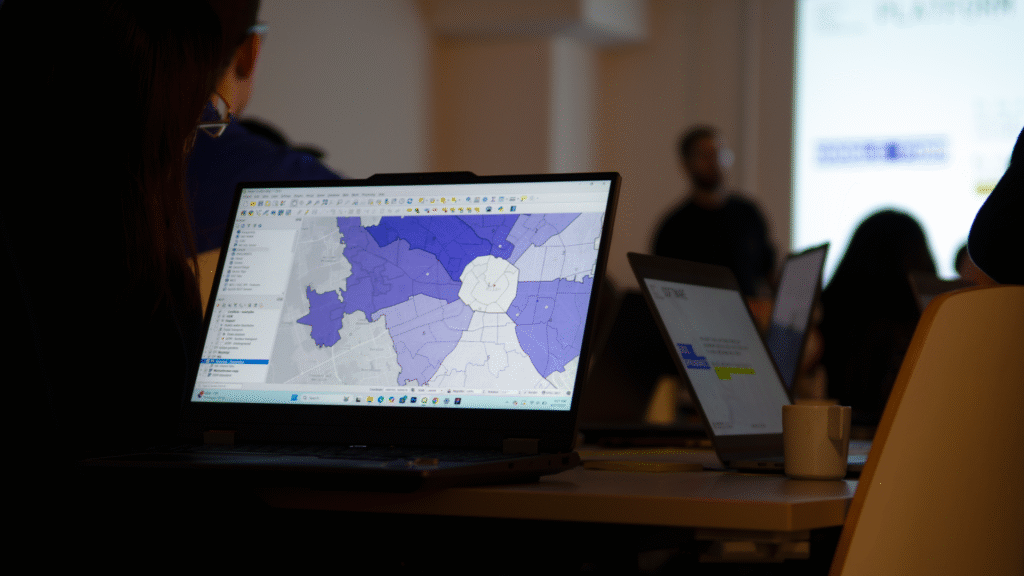
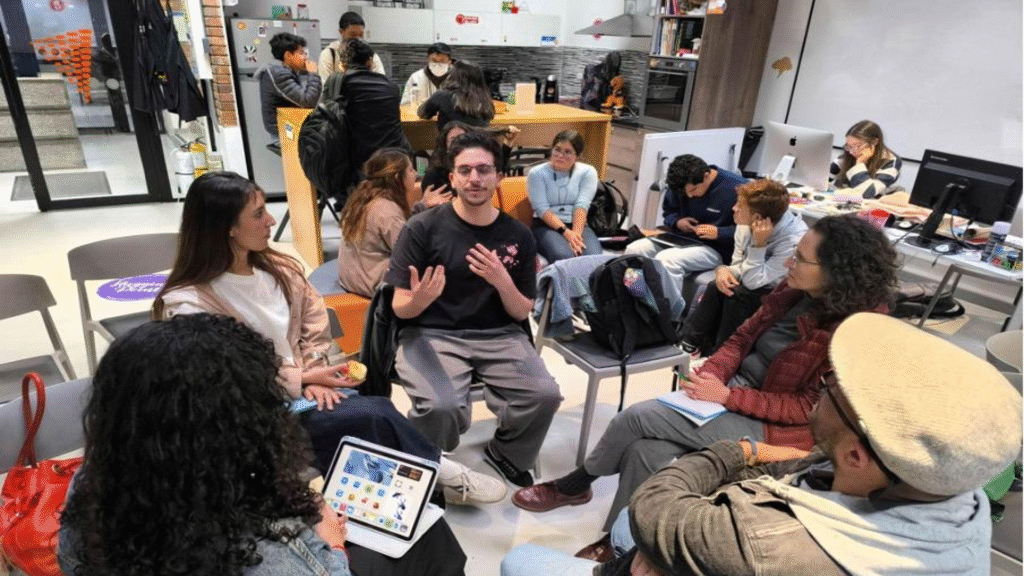
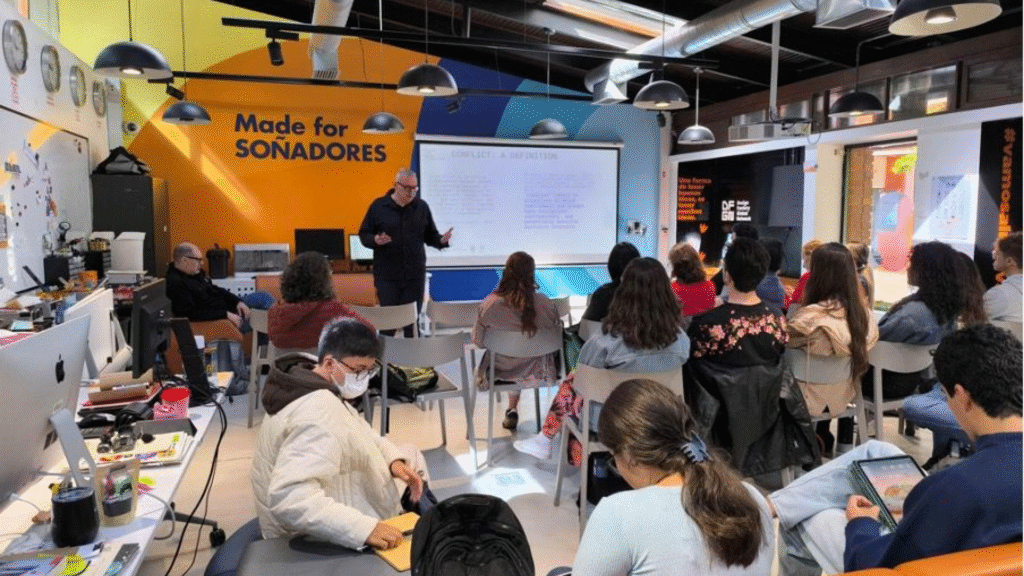
The workshops invited participants to explore how design can contribute to the creation of ecosystems of peace in urban contexts. The focus was on mapping social conflicts within the three cities involved and identifying the systemic, structural, social, and environmental injustices that generate them. The objective was to provide tools and methods for revealing, unveiling, recognising, and acknowledging these conflicts within design practices, and to spark a conversation about the potential for mitigating them through design interventions.
The main challenge of the workshops was to identify and map conflicts arising in and around the urban food system, specifically in relation to the food systems of Rio de Janeiro, Milan and Bogotá.
LOOK HERE FOR THE FINAL RESULTS:
URBAN CONFLICT MAPPING AS A DESIGN RESEARCH APPROACH FOR ENABLING PEACE ECOSYSTEMS
MILAN
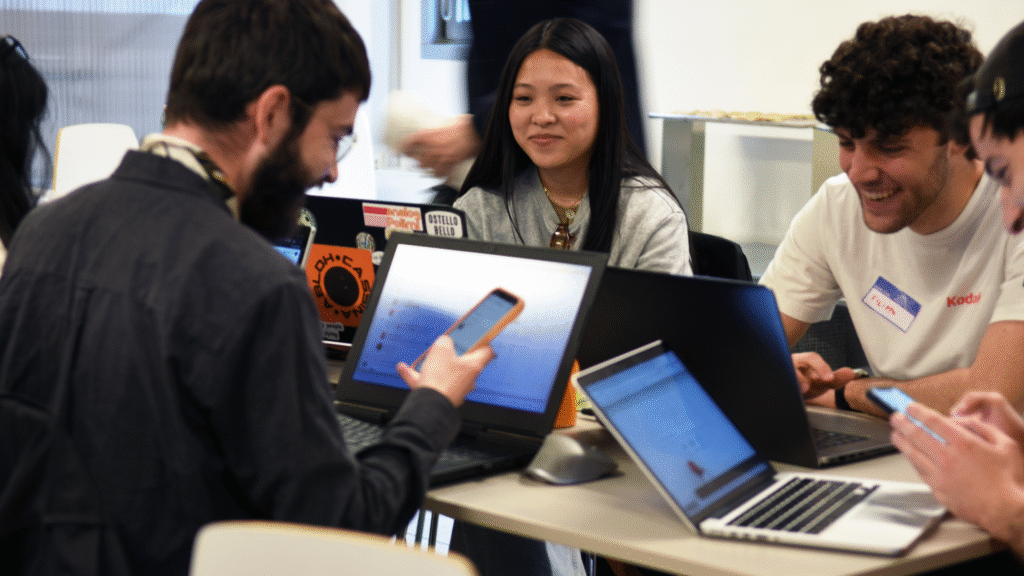
The workshop involved 20 participants from different Design master’s degree courses.
TOPICS
Group 1 – The foodification dilemma: Exploring the relationship between immigrant workers condition and Milan Food Systems
Elena Hu, Khansa Asim, Agustín Berta, Cui Tianli, Caio Moraes Valporto de Sá
Group 2 – Animal welfare: The relationship between plant-based diet options (presence and distribution) and Milan food system
Giacomo Cincotti, Adriana Sofía Rojas Vásquez, Andres Felipe Alberto Crane Castillo, Renata Alejandra Cruz Mendoza, Elisa Barca
Group 3 – Food Market conflicts: The relationship between Milan food Markets and city development
Tristan Amiot, Sharlotte Garcia, Andrea Frer, Filippo Ghioni, Bipasa Das
Group 4 – School canteens conflicts: The relationships between Milan school canteen options and families
Heng Tong Foo, Chanidapa Savangvarorose, Sara Foglia, Amisha Soni
RIO DE JANEIRO
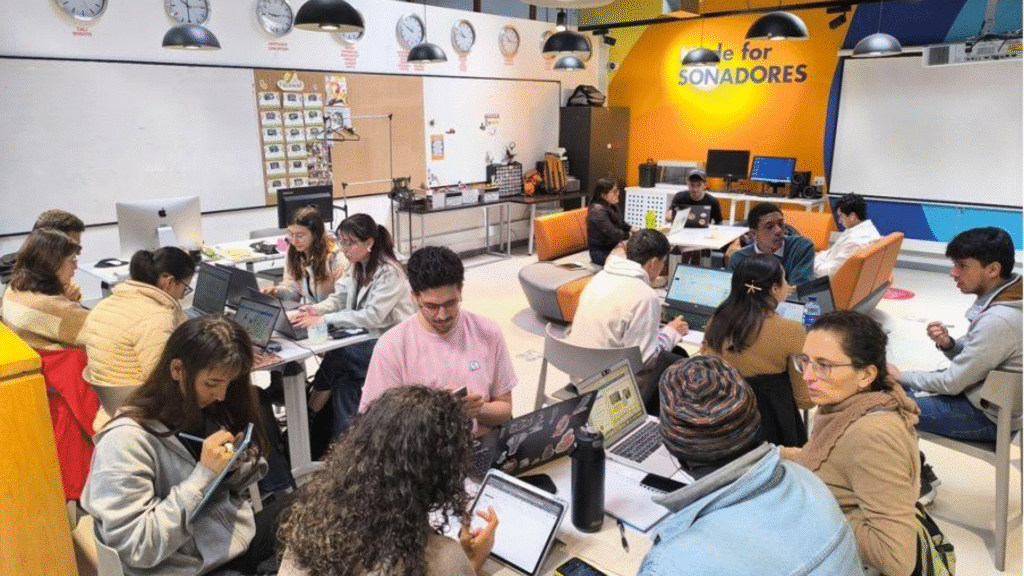
The workshop involved 21 participants: 7 Master’s Students, 4 Alumni, 4 Researchers, 2 Ph.D. candidates, 4 Professors and 1 Professional from different disciplinary fields: Design, Architecture and Urban Planning, Geography, Environmental Engineering.
TOPIC
Group 1 – Food & Right to the City: exploring the relationship between food sovereignty, land use and marginalized communities
Camila Maia, Clara Acioli, Antonia Mahr, Jordana Fernandes Fecher, Miranda de Alcantara
Group 2 – Artisanal Fishing Conflicts: Relationship between artisanal fishing and waste disposal in the waters of Rio de Janeiro (sea and lagoons).
Kathelyn Nunes da Silva Santos, Márcia Bergmann, Luiza Vazquez, Bernardo Alevato, Ana Leticia Santos
Group 3 – Food Delivery Conflicts and Dark Kitchens: Relationship between dark kitchens, ifood and urban conflicts in Rio de Janeiro.
Vitória Rabello, Nathalia Testa, Luisa Luniere, Amanda Scattolini, Ellen Gonzalez
Group 4 – Pequena África’ Conflict: Relationship between food-related activities of the Quilombola community of Pequena África and city development.
Andre Luiz Paiva Codeço, Aline Saraiva Leão Lima, Lorenzo Silva Cruz, Mateus Noce, Isabel ALVERGA WYLER DE NONNO, Amaro Sergio Marques
BOGOTÁ
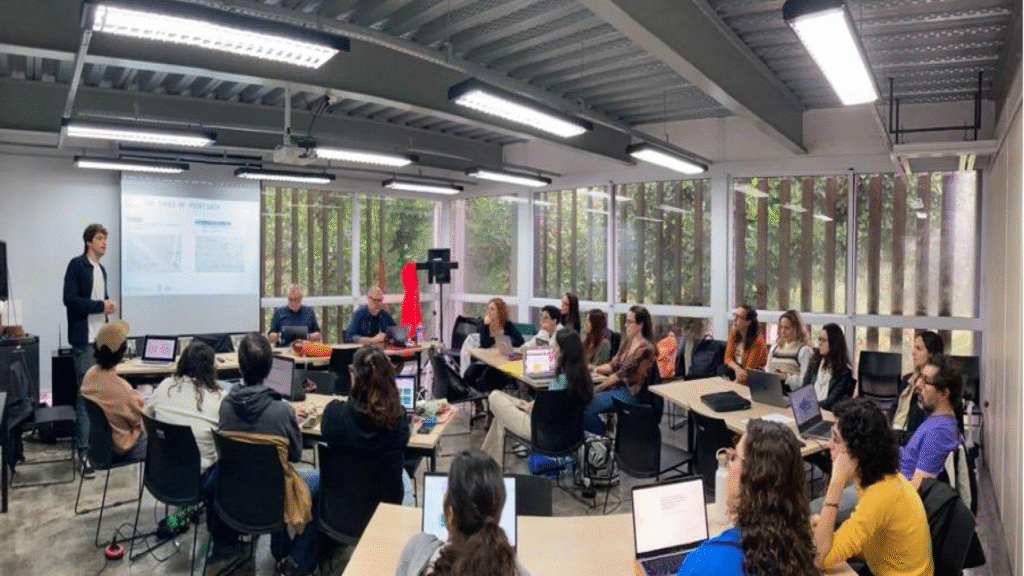
The workshop brought together 20 participants from varied academic and professional fields, including Design, Architecture and Urban Planning, software Engineering/programming, and Ecology. 10 Industrial Design students, 1 expert in Architecture and Urban Planning, 2 Ecology students, 1 Engineer, 2 Business specialists, and 4 Programming/Software students.
TOPIC
Group 1 – Conflict between informal food vendors and the accurate use of public system transportation: Relationship between right to work, dignified food services, and public space.
Valentina Campuzano, Verónica Vergara, Mariana Buraglia, Laura Hernández
Group 2 – The Social Overvaluation of Meat and Its Cultural Implications: Relationship between Social status discourse, Food prestige, Dietary hierarchy, Nutritional reality
Ana Maria Triana, Andres Felipe Ramirez, Alejandro Delgado Moreno
Group 3 – The relation between informal street vending and social inequality in Bogotá’s street food system
Gabriela de la hoz torrado, Nicol Estefania Gantivar Arango, Eric Santiago Hernandez Bernal, Juan David Piraquive, Sebastian David Romero, Daniel García Morales
Group 4 – Urban garden conflicts: Urban farms struggle due to gov’t restrictions, lack of support, and poor self-management, reducing productivity and worsening malnutrition.
Mariana Blandón Parra, Mauricio Gómez Castillo, Santiago Mejía Dussan, Sara Soto Cardona, Ana Maria Osorio Guzmán